
Why Amed, Bali is Your Next Unforgettable Escape!
You Think You Know Bali? Think Again!
Forget the kaleidoscopic chaos of Kuta, the curated coolness of Canggu, the endless queues that snake through Seminyak. Think instead of waking to a vista dominated by the brooding majesty of Mount Agung, its volcanic slopes cascading towards a coastline where traditional jukung fishing boats dance on the inky black sand. Welcome to Amed, Bali’s serene northeastern secret, where authenticity still breathes, and the kaleidoscopic wonders beneath the waves beckon.
Your “Cheat Sheet” to Bali’s Best-Kept Secret
Amed isn’t a single entity, but a constellation of seven charming fishing villages strung along a 14km coastal ribbon, each possessing its own distinct, tranquil rhythm. The landscape is nothing short of breathtaking. Agung looms large, a constant, powerful presence that contrasts dramatically with the unique, volcanic black sand beaches that define this coastline – a photographer’s dream distilled into reality.
Beneath the surface lies an underwater paradise. The waters here are generally calm and crystalline, making it a haven for divers and snorkelers alike. We’re talking about exploring the ghostly remains of the USS Liberty shipwreck, teeming with marine life, discovering the vibrant coral gardens, and even encountering the enigmatic underwater temple.
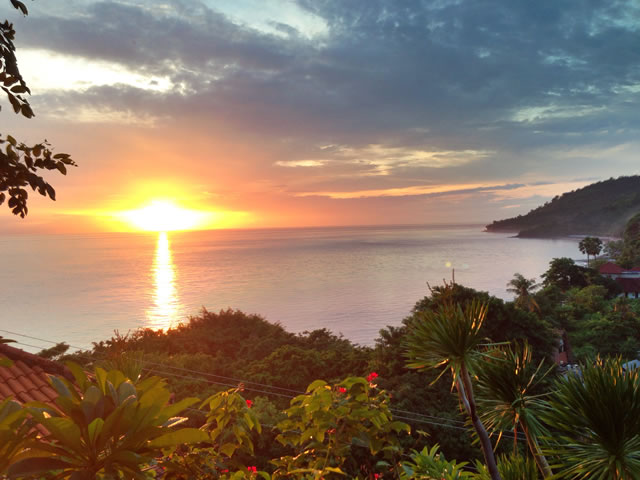
But Amed offers more than just aquatic adventures. Imagine yourself gliding along winding roads on a scooter, the wind whispering through emerald rice terraces. Picture the sky ablaze with fiery hues as the sun dips below the horizon, painting Agung in unforgettable colors.
And let’s not forget the cultural tapestry woven into the very fabric of Amed life. Immerse yourself in the age-old traditions of Balinese fishing and salt farming. Nearby, you’ll find the enchanting Tirta Gangga Water Palace and the iconic Lempuyang Temple, gateways to spiritual and architectural wonders.
For the best experience, aim to visit during the dry season (April to October), when the waters are clearest. But for fewer fellow travelers, consider the shoulder months – April/May or September/October – where you might just find yourself having the whole ocean to yourself.
Amed’s Journey: From Humble Beginnings to Dive Haven
Amed’s story is etched in the rhythms of the sea. Historically, its identity was intrinsically linked to the patient labor of fishermen and the time-honored craft of artisanal salt production. Life was simple, deeply rooted in tradition, a quiet symphony played out against the backdrop of Bali’s towering volcano.
The shadow of Mount Agung’s 1963 eruption looms large in Amed’s past. The eruption served as a period of immense hardship, and progress was slow. In fact, paved roads and telephone lines only found their way here in the early 2000s. This isolation, while challenging, also helped preserve Amed’s unique character.
The transformation began with intrepid divers. Drawn by the allure of Amed’s vibrant reefs and the ghostly skeletons of shipwrecks, foreign divers began to trickle in during the 70s and 80s, slowly revealing Amed’s underwater treasures to the world. Early, dedicated reef rehabilitation projects recognized the critical importance of Amed’s marine ecosystem, paving the way for its future as a diving destination.
The Amed Appeal: What Travelers Are Raving About
Amed elicits strong opinions, a testament to its distinct character.
The chorus of unconditional love is often heard:
- “Best snorkeling/diving in Bali, without question!”
- “So peaceful, so genuinely Balinese, a true escape from the ordinary.”
- “Those Mount Agung sunsets? Simply unbeatable.”
- “Incredible value, warm-hearted locals, and the freshest seafood imaginable.”
But amidst the praise, there are practicalities to consider:
- “The black sand beaches, while beautiful, can be rocky – manage your expectations.”
- “Nightlife is practically non-existent. Amed is a place to unwind, not to party.”
- “It’s a bit of a trek from the airport (2.5-4 hours), so be sure to arrange your transport in advance.”
- “Some areas boast strong currents, so be mindful of your swimming abilities.”
And then there’s the whisper – the “New Canggu” speculation. While Amed is undoubtedly gaining popularity, many devout visitors hope that it can retain its unique authenticity amidst the growing buzz.
Undercurrents & Unfiltered Truths: What’s Stirring the Waters
Even in paradise, shadows linger. A recent incident in March 2025, in which a tourist was assaulted, serves as a stark reminder that vigilance is crucial, even in the most serene settings.
Then there is the pervasive plastic problem. Amed’s crystalline waters are not entirely immune to the plague of plastic pollution that afflicts much of Bali. Trash, carried by currents from elsewhere, sometimes washes ashore, a somber reminder of the responsibility we all bear as travelers.
The reefs themselves bear scars from the past. Historically, damaging practices like the use of fishing nets and the extraction of coral for building took their toll, leading to coastal erosion. This was a harsh lesson learned. Today, conservation is a priority, and efforts are underway to restore these precious ecosystems.
The 2017 eruption scare, where Mount Agung threatened to unleash its fury once more, exposed the fragility of a tourism-dependent economy, emptying hotels almost overnight.
Amed, as a part of the larger Balinese tapestry, is not immune to the challenges facing the island as a whole. Overtourism, water scarcity, and the delicate balance between development and cultural preservation are issues that resonate here as well.
Peeking into the Future: What’s Next for Amed?
The prevailing winds seem to favor sustainable and conscious growth. Expect to see more boutique hotels and resorts embracing eco-tourism principles, focusing on organic farming and showcasing local craftsmanship. The emphasis is on quality over quantity, preserving Amed’s unique charm.
Getting to Amed may soon become easier. Ambitious government plans (2025-2028) are in motion to upgrade Amed Port and construct new roads, promising enhanced connectivity and a boost to East Bali’s economy.
Real estate is already experiencing an upswing. Amed’s affordable allure is attracting investors, with luxury villas, such as the rapidly selling Vesica Villas Celuke, beginning to dot the landscape. The “New Canggu” comparisons, while perhaps premature, are not entirely unfounded. The hope is that future development will be approached with thoughtfulness and sensitivity.
The protection of marine life remains paramount. As a designated Marine Protected Area, ongoing coral reef rehabilitation and the creation of artificial reefs, such as the intriguing “Amed Ghost Bay” project, are crucial for maintaining Amed’s diving reputation.
Beyond diving, expect a diversification of offerings. More inland trekking opportunities, the promotion of local products like Amed Salt, and the evolution of a distinctive foodie and lifestyle scene are all on the horizon.
The million-dollar question remains: Can Amed successfully navigate its growing popularity while steadfastly upholding its commitment to authenticity and sustainability? Only time, and the choices we make as travelers, will reveal the answer.
Final Takeaway: Is Amed Your Bali Vibe?
If you yearn for a slower rhythm, crave incredible underwater adventures, are captivated by the dramatic beauty of volcanic landscapes, and seek a genuine cultural experience far removed from the madding crowds, then Amed is undoubtedly calling your name.
Come with an open heart, a deep respect for the local culture, and a commitment to responsible tourism.
Experience Amed now, before its secret becomes too widely known. You might just find that it is the Bali you’ve been searching for all along.